
“Art is the lie that enables us to realize the truth.”
— Pablo Picasso
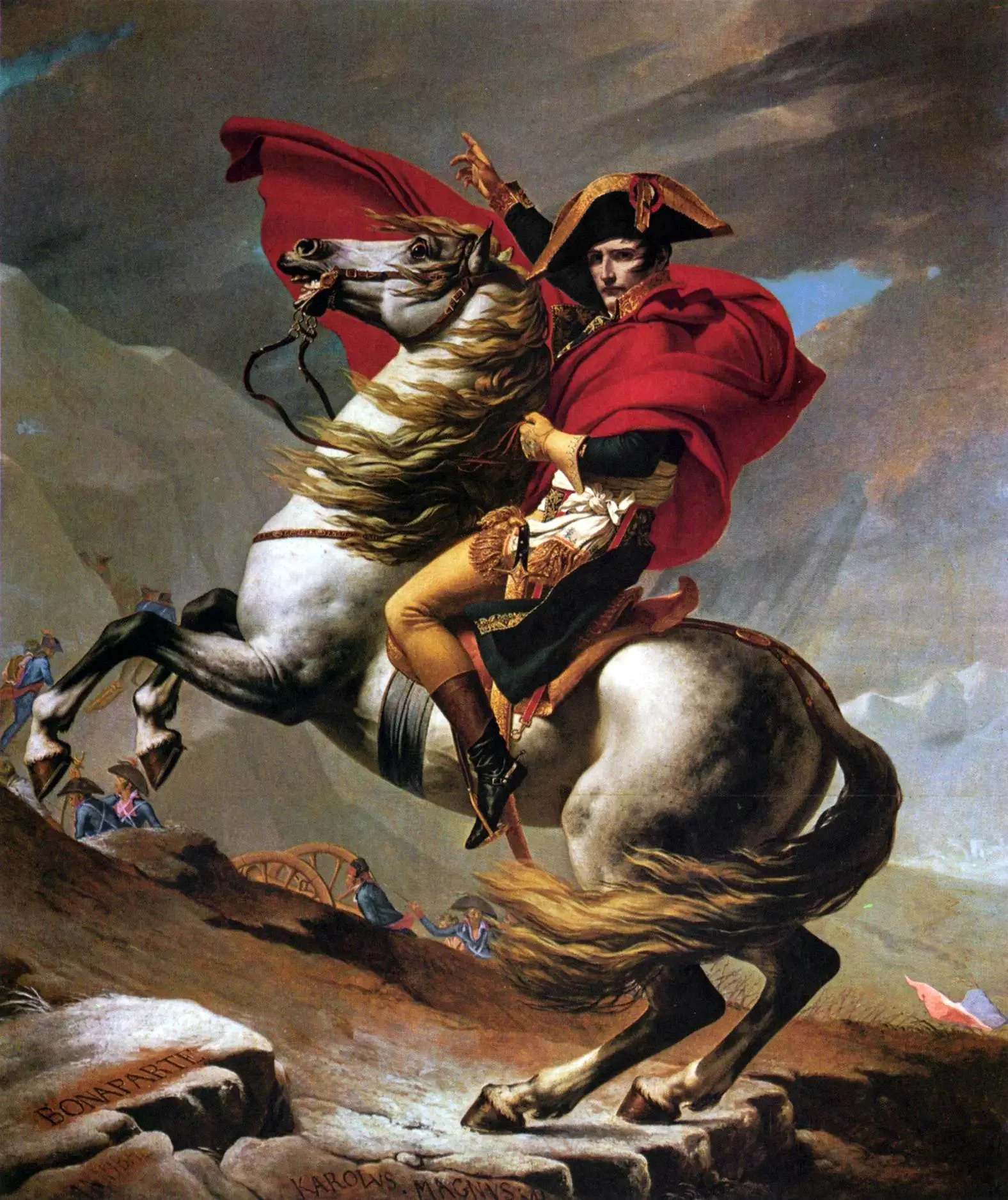
Napoleon Crossing the Alps — Jacques-Louis David
For Example:
Take a look at this painting by Thomas Cole entitled The Oxbow. The painting depicts a portion of the Connecticut River painted from a cliff on Mount Holyoke. But what can this tell us about Cole’s values? The biggest thing we can take away from this painting, is that Cole values the beauty of nature. We can infer this because the painting exclusively features nature and not a single human subject. This also reflects the world that Cole painted this in. At the time, the world was going through industrialization. Much of nature was destroyed to make way for modern cities. Farming jobs were replaced with factory jobs. While the world valued the machine, artists valued nature.

The Oxbow — Thomas Cole
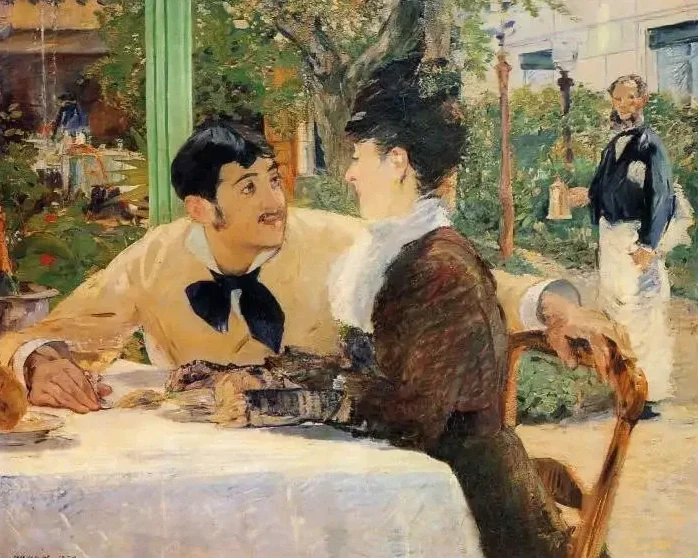
Chez le Père Lathuille — Édouard Manet
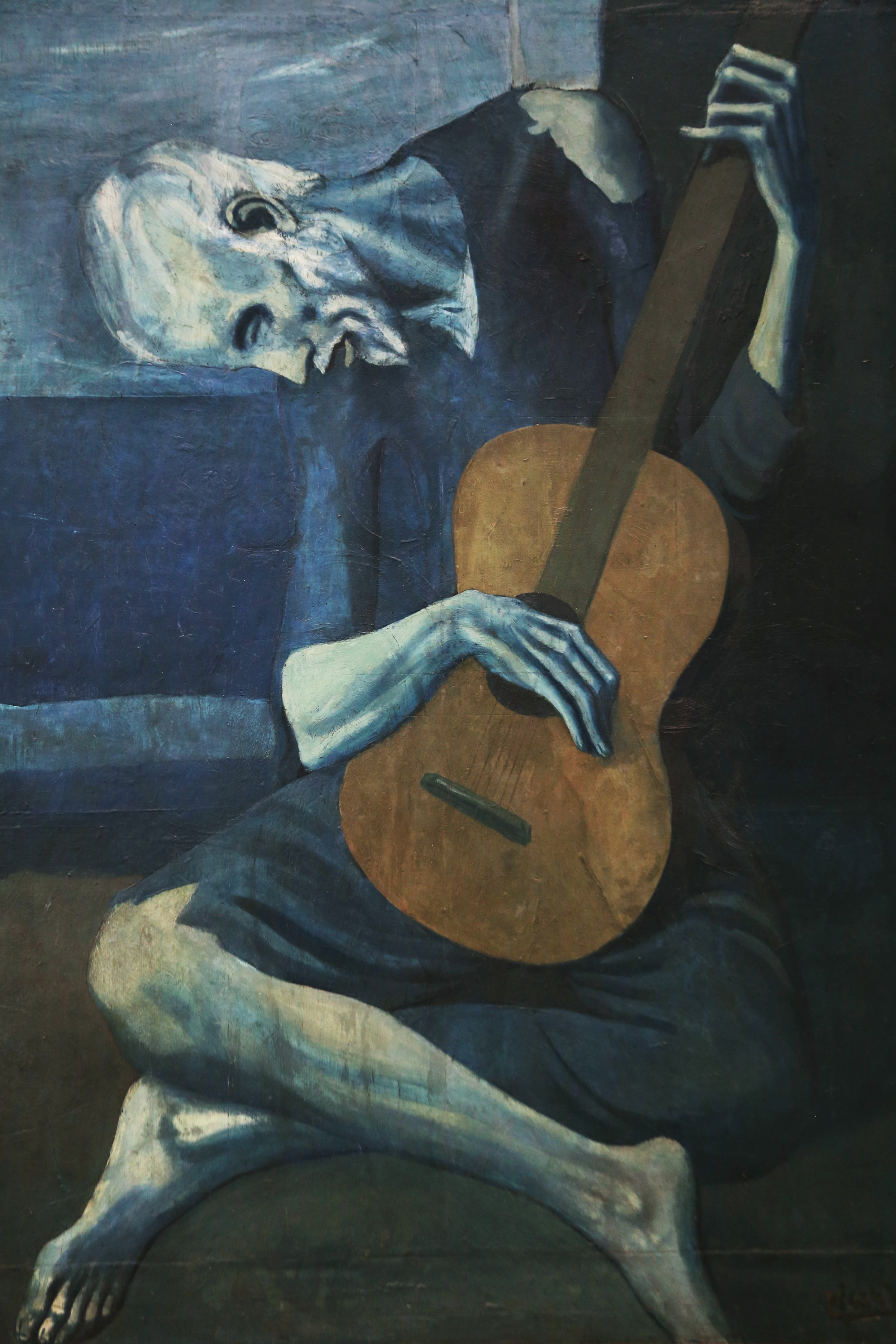
The Sad Guitarist — Pablo Picasso
Art is History
When historians study the past, they often turn to written records such as laws, diaries, or government documents. Yet one of the most powerful ways to understand earlier societies is through their art. Art serves as a primary source, a direct creation of the people who lived in a particular time and place. Unlike secondary accounts, which interpret history after the fact, works of art are firsthand evidence of how people saw the world, what they valued, and what they believed.
Art is Expression
Art often communicates ideas and emotions that words cannot fully capture. Colors, symbols, and imagery reflect values such as courage, faith, or harmony. Because many societies were largely illiterate, art also functioned as a universal language, capable of teaching stories, reinforcing traditions, or celebrating achievements. By examining art, historians gain insight not only into the political and economic systems of a culture, but also into its spiritual beliefs, community values, and personal aspirations.
Exploring Art
When comparing Greek, Roman, Medieval, and Renaissance art, a clear pattern emerges: art consistently mirrors the values and beliefs of its time. Yet each period emphasizes different aspects of human experience.
As you go through this WebQuest, really examine each piece of art. Think about what each piece can tell us about the artist’s culture, beliefs and values. Ask yourself, “What is the artist trying to convey? How does this reflect the beliefs and values held at that time?”
“I found I could say things with color and shapes that I couldn't say any other way - things I had no words for.”
— Georgia O’Keeffe